

Masking Tape or Sealer? 3 Pre-Engrave Coatings (2026)
Low-tack masking tape is the safest and most forgiving pre-engrave option for basswood, followed by a thin fully-dried water-based sealer if you need less soot absorbed into the wood itself – oil-based varnish and unknown coatings should stay off the sheet until you’ve confirmed they’re laser-safe. This article compares all three, and what each one actually trades away.
By Mike Dolan ·
Quick Answer: Start with low-tack laser masking tape – it catches soot and peels away clean with zero fume risk. A thin water-based sealer is the next option if you need less soot in the wood itself. Skip oil-based varnish and unverified coatings unless the manufacturer explicitly confirms they’re laser-safe.
| Material | Engraving Contrast | Cut Ease | Smoke / Odor | Cost | Beginner Score |
|---|---|---|---|---|---|
| Basswood (3 mm) | ★★★★★ | Excellent – 1 pass | Low | $ | ★★★★★ |
| Baltic Birch Plywood | ★★★★ | Good – 2-3 passes | Medium | $$ | ★★★★ |
| MDF | ★★★ | Good – 1-2 passes | High (formaldehyde) | $ | ★★ |
| Pine / Soft Plywood | ★★★ | Poor – resin deposits | Medium-High | $ | ★★ |
Why Basswood Shows Smoke Halos in the First Place
I engraved a detailed design on a bare sheet and got a faint gray halo bleeding out around every line – the design itself looked fine, but the surrounding wood had absorbed enough soot to look dingy under normal light. Nothing about my settings was wrong. The wood itself was just doing what porous pale wood does when smoke has nowhere else to go.
Basswood’s light, even-grained surface is exactly what makes it engrave with such good contrast, but that same porosity means airborne soot from the cut can settle into the surface around the design instead of just the burned lines themselves. Pre-engrave treatments exist to give that soot somewhere else to land – or to seal the surface so it can’t soak in as easily.
This is a different question from what finish to apply after cutting for looks or protection – our guide to sealing finished basswood projects covers that. Here we’re talking about what, if anything, goes on before the laser touches the wood.
- Low resin – starts from a cleaner baseline than resin-heavy softwoods, less residue overall
- Consistent density – predictable results if you do test a coating, sheet after sheet
- Minimal char – clean edges with air assist enabled even without pre-treatment
- Light, workable surface – takes tape, sealer, or paint evenly with basic prep
- No toxic fumes – unlike MDF or treated plywood, safe for indoor use with basic ventilation
According to USDA Forest Products Laboratory data, basswood’s fine, even pore structure is part of why it’s prized for detail work – the same structure that gives it clean engraving contrast is what lets soot settle in if you skip masking on a smoke-prone design.
Option 1: Low-Tack Masking Tape or Transfer Paper
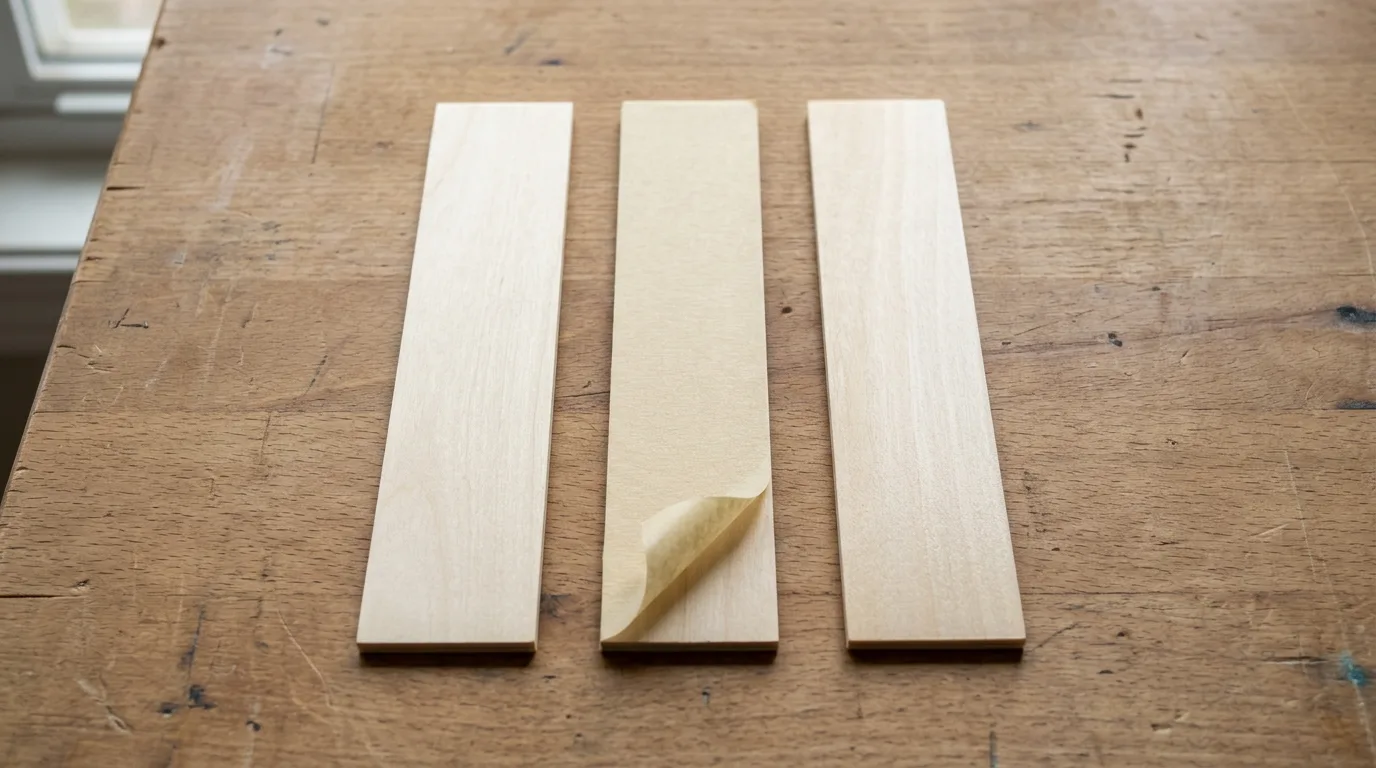
Masking tape or transfer paper made for laser use is the lowest-risk starting point, and the one most people should try first. It sits on top of the wood, catches soot from the cut, and peels away afterward taking the residue with it – no fumes, no chemistry, no drying time to plan around.
It’s not perfect. Aggressive or non-laser-rated tape can leave adhesive residue or lift wood fibers when removed, which is why low-tack, laser-specific tape is worth the small extra cost over generic masking tape from the hardware store. It also only protects the surface it covers – deep engraving that goes below the tape thickness can still show some staining at the very edge of the design.
Option 2: A Thin Water-Based Sealer or Dewaxed Shellac Wash
A thin, fully dried water-based coating or a dewaxed shellac wash coat reduces how much soot the wood itself absorbs, since some of it sits on the sealed surface instead of soaking into open pores. This is the option worth trying if masking tape alone isn’t cutting the smoke staining enough on a particularly smoke-prone design.
The trade-off is contrast. A sealer changes how the laser interacts with the surface, which can shift how dark or crisp your engraved lines come out compared to bare wood. It can also interfere with paint adhesion later if your project calls for color-filling the engraved channels – shellac and similar coatings aren’t always compatible with fills applied afterward.

Option 3 (Handle With Care): Primers, Varnish, and Unknown Coatings
Oil-based varnishes, solvent-heavy lacquers, and any coating you can’t verify as laser-safe belong on the “don’t, unless confirmed” list. These finishes can be flammable or release hazardous fumes at cutting temperature, and the manufacturer’s safety data sheet – not a forum post – is the only thing that should tell you a specific product is fine to run under a laser.
If you’re chasing a specific engraving effect that seems to need a heavier pre-coat, masking tape plus a light water-based sealer usually gets you most of the benefit without the fire and ventilation risk of an unverified solvent-based product. The smoke-staining problem this article solves rarely needs anything stronger than that.
Always Test on Scrap From the Same Sheet
Whatever you choose – tape, sealer, or nothing at all – test it on scrap cut from the same sheet you’re about to use, with the exact settings you plan to run. Laser power, speed, coating thickness, drying time, and basswood density all interact, and a coating that worked great on one sheet can scorch or flatten contrast on the next if any of those variables shift.
A five-minute test cut costs a scrap corner. A ruined final piece costs the whole sheet and the time you put into the design.
Where to Buy Basswood That Engraves Clean Without Extra Steps
Crafteker 3mm basswood sheets start from a low-resin, consistent-density baseline that engraves clean for most projects without needing any pre-treatment at all – masking tape and sealers are there for the smoke-prone designs that need the extra step, not a requirement for every cut.
At $24.99 for 12 sheets ($2.08/sheet), it’s the most cost-effective option for basswood sheets that give you a clean starting point whether you coat them or not.
Ready to engrave? Get the wood that starts clean:
→ Buy Crafteker 12-Pack Basswood Sheets on Amazon – $24.99
Also available: 5-pack ($15.97) · 3-pack ($12.99)
Frequently Asked Questions
Should I put anything on basswood before laser engraving?
Not required, but low-tack masking tape or transfer paper is worth it if you’re getting smoke halos around your design – it catches soot on the tape instead of the wood surface and peels away clean. Sealers and primers are optional extras that trade some contrast control for less soot penetration, and both need testing before a real project.
What’s the safest pre-engrave coating for basswood?
Low-tack laser masking tape or transfer paper is the safest and most forgiving starting point – it’s designed for laser use, adds no fumes, and simply peels off after cutting. Water-based sealers are the next safest option if you want to reduce soot absorption into the wood itself, applied thin and fully dried first.
Can I use varnish or oil-based finish before engraving instead of after?
Don’t, unless the manufacturer’s safety data explicitly confirms it’s laser-safe. Oil-based varnishes and solvent-heavy lacquers can be flammable or release hazardous fumes at cutting temperature, and the risk isn’t worth it when masking tape or a thin water-based sealer solves the same smoke-staining problem more safely.
Will a sealer or primer ruin my engraving contrast?
It can, which is why testing on scrap from the same sheet is not optional. A coating that’s too thick, not fully dried, or simply the wrong type can flatten contrast or cause uneven scorching – always run a test engrave before committing to a full project.
Where can I buy basswood that engraves clean without pre-treatment?
Crafteker on Amazon: 3-pack $12.99, 5-pack $15.97, 12-pack $24.99 ($2.08/sheet best value) – low resin and consistent density mean most projects engrave clean without needing a coating at all.
About the author: Mike Dolan is a laser maker and wood materials specialist with 8+ years cutting basswood, birch, and MDF on diode and CO₂ machines. He tests every Crafteker basswood batch before listing.
Had bad smoke halos on a portrait engrave until I tried low-tack transfer tape first – peeled it off after and the surrounding wood was still perfectly clean. Tried a shellac wash coat once too but it dulled my contrast a bit, so tape is my default now.