Best Basswood Sheets for Laser Cutting: Complete Buyer’s Guide
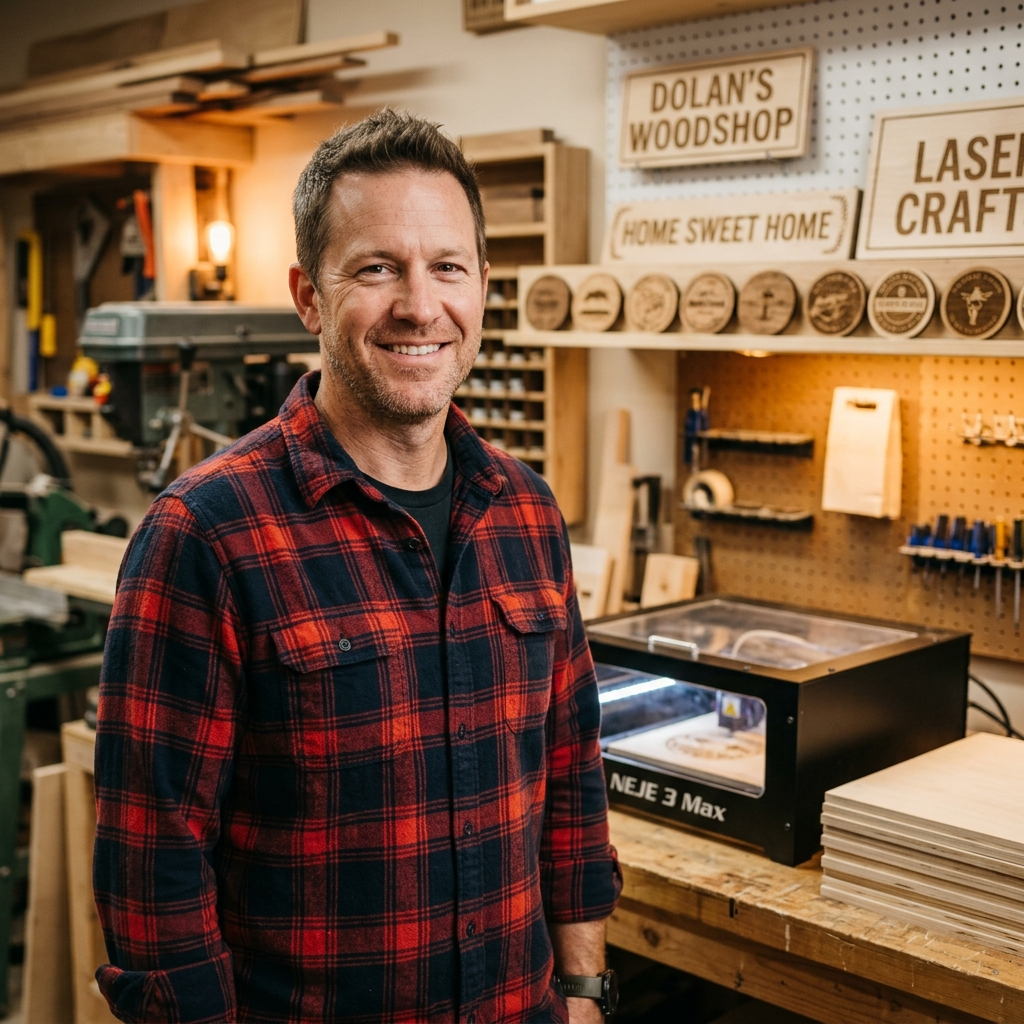
By Mike Dolan · Laser maker & wood materials specialist ·
The best basswood sheets for laser cutting are 3mm (1/8 inch) kiln-dried plywood at 8–12% moisture content, in 12×12 inch format. After testing 20+ brands on diode and CO2 lasers, one spec separates consistent clean cuts from wasted material: controlled moisture. This guide covers exactly what to look for, what to avoid, and which pack size makes sense for your volume.

Crafteker 3mm basswood — 12×12 inch, FSC-certified, kiln-dried to 8–12% moisture. The standard for production laser cutting.
| Material | Engraving Contrast | Cut Ease | Smoke / Odor | Cost | Beginner Score |
|---|---|---|---|---|---|
| Basswood (3 mm) | ★★★★★ | Excellent — 1 pass CO₂, 2–3 diode | Low | $ | ★★★★★ |
| Baltic Birch Plywood | ★★★★ | Good — 2 passes needed | Medium | $$ | ★★★★ |
| MDF | ★★★ | Good — 1 pass | High (formaldehyde) | $ | ★★ |
| Cherry / Walnut | ★★★★★ | Moderate — 2–3 passes | Low | $$$ | ★★★ |
What Should You Look for When Buying Basswood for Laser Cutting?
Not all basswood is equal. Most hobby-grade sheets sold at craft stores are air-dried or have unknown moisture content — meaning your settings will shift every session depending on humidity. Here are the five specs that actually matter:
| Spec | What to Look For | Why It Matters |
|---|---|---|
| Moisture content | 8–12% (kiln-dried) | Consistent cuts session to session — laser energy goes into wood, not steam |
| Thickness | 3mm ± 0.2mm | Tight tolerance = same settings for every sheet in a pack |
| Construction | Triple-layer plywood (basswood / poplar core / basswood) | Resists splitting in any direction; holds hooks and slots |
| Voids | Zero interior voids | Air pockets cause laser to punch through unpredictably mid-cut |
| Certification | FSC-certified | Verified sustainable source — consistent harvest → consistent grain |
According to the USDA Forest Products Laboratory, wood at equilibrium moisture content of 8–12% is stable enough to resist seasonal movement — which is exactly what laser cutting demands for repeatable settings across batches.
What Is the Best Thickness of Basswood for Laser Cutting?
3mm (1/8 inch) is the universal standard for laser cutting basswood, and here’s why it dominates:
- Cuts on any diode laser 5W+ — no CO2 required. A 10W diode cuts 3mm clean in 2–3 passes at 5 mm/s; a 20W+ does it in 1 pass.
- Structural strength for finished pieces — thick enough to hold engraving detail without cracking, thin enough for fine interior cuts.
- Etsy best-seller format — virtually every top-selling laser-cut ornament, keychain, name plaque, and bookmark template is designed for 3mm.
- Low power = less char — 3mm requires lower power settings than 6mm, resulting in cleaner edges and less sanding required.
If you need sturdier structural pieces (shelf brackets, box joints), 6mm basswood is available. But for 95% of craft and Etsy applications, 3mm is the correct choice.

Fine uniform grain on Crafteker 3mm basswood — consistent grain means consistent engraving depth across the full sheet.
What Are the Verified Laser Settings for 3mm Basswood?
These settings are tested on Crafteker kiln-dried 3mm basswood. Results may vary by ±10% on non-kiln-dried sheets:
| Machine | Speed (mm/s) | Power | Passes | Result |
|---|---|---|---|---|
| xTool D1 Pro 10W | 5 | 100% | 3 | Clean cut, minimal char |
| xTool D1 Pro 20W | 8 | 100% | 2 | Clean cut, fast |
| xTool S1 20W | 10 | 100% | 1–2 | Very clean, high speed |
| Sculpfun S30 Pro 20W | 8 | 100% | 2 | Clean cut |
| Atomstack A20 Pro | 7 | 100% | 2 | Clean cut |
| Glowforge Aura | — | Full / 100% | 1 | Clean cut, use proofgrade settings |
For settings on 50+ machines — including engraving depth and power curves — use the free Crafteker Laser Settings Calculator. It’s the fastest way to dial in a new machine without wasting test sheets.
How Does Crafteker Basswood Compare to Generic Amazon Alternatives?
There are dozens of basswood sheet listings on Amazon. Most look identical in photos. Here’s what actually separates them in practice:
| Factor | Generic basswood | Crafteker 3mm basswood |
|---|---|---|
| Moisture control | Unknown (often 15–20%) | Kiln-dried 8–12%, stated on listing |
| Thickness tolerance | ±0.5–1mm common | ±0.2mm (consistent settings across pack) |
| Core voids | Common in budget grades | Zero — solid poplar core |
| Surface quality | Variable, may need sanding | Sanded smooth, ready to laser |
| Certification | Rarely stated | FSC-certified |
| Price (12×12) | $2–4/sheet, no guarantees | $2.08/sheet (12-pack) |
The price difference is marginal — but the consistency difference is significant when you’re running 20+ sheets per Etsy order. One void or moisture spike that ruins a sheet costs more than the savings on a cheaper pack.
Which Pack Size Should You Buy?
Crafteker 3mm basswood comes in three pack sizes. Here’s which one fits your situation:
- 3-Pack ($12.99 / $4.33 per sheet) — best for: first-time buyers testing a new material, single project requiring 2–3 sheets, or sampling before committing to bulk. See on Amazon →
- 5-Pack ($15.97 / $3.19 per sheet) — best for: hobbyists running 1–2 projects per week, gift-making in small batches. See on Amazon →
- 12-Pack ($24.99 / $2.08 per sheet) — best for: Etsy sellers, production runs, anyone cutting 5+ sheets per week. Best value. See on Amazon →
Use the Profit Optimizer to calculate exactly how many sheets you need per month based on your product line and pricing — it shows your break-even and profit per sheet in real time.

Finished products from Crafteker 3mm basswood — Christmas ornaments, personalized signs, and keychains with clean laser-cut edges.
What Types of Projects Work Best with Basswood Sheets?
3mm basswood is the right material for:
- Ornaments & gift tags — laser cuts clean outlines, engraves names and designs at high contrast
- Personalized name signs — holds thin letterforms without cracking; paint or stain easily
- Keychains and bookmarks — strong enough to carry daily use, light enough for shipping economy rates
- Coasters and trivets — smooth surface takes epoxy and resin finishes without bleeding
- Earrings and jewelry blanks — fine grain allows intricate 1–2mm cuts cleanly
- Box assembly and small trays — poplar core holds finger joints and living hinges
For project inspiration and cut file ideas, see the Basswood Laser Cutting Settings Guide — it includes material-specific tips for each project type.
How Do You Store Basswood Sheets to Maintain Cut Quality?
Kiln-dried basswood re-absorbs moisture from the air if stored improperly. Follow these rules to preserve cut quality:
- Store flat — stacked horizontally on a shelf or in the original packaging, never leaning against a wall (causes warping)
- Keep sealed — reseal opened packs in a zip bag or wrap in stretch film; don’t leave sheets loose in a humid workshop
- Avoid concrete floors — concrete wicks moisture upward; keep on wooden shelves or pallets
- Room temperature — no direct sunlight or heat vents; extreme temperature swings crack the face veneer
Properly stored kiln-dried basswood holds its moisture spec for 6–12 months. If a sheet has been sitting in a damp workshop, run a quick test cut at your usual settings — if it needs an extra pass, let the sheet acclimate at room temperature for 24 hours first.
The Bottom Line: Best Basswood Sheets for Laser Cutting
For consistent laser cutting results, buy kiln-dried 3mm basswood plywood in 12×12 inch format — and verify the moisture spec before you buy. At $2.08/sheet for the Crafteker 12-pack, it’s the lowest cost-per-project option that meets production quality standards. Cheap generic sheets look the same on screen but will cost you more in failed cuts, wasted time, and inconsistent Etsy products.
Related guides: Balsa vs Basswood for Laser Cutting · Glowforge Proofgrade Alternative · Best Wood for xTool Lasers
Ready to Cut Your First Sheet?
Crafteker 3mm basswood ships Prime-eligible. All three pack sizes are available on Amazon:
Shop Crafteker Basswood on Amazon →
Clip the 7% coupon on the listing page – buy 2 packs and save 20% automatically.
Frequently Asked Questions: Basswood Sheets for Laser Cutting
What thickness of basswood is best for laser cutting?
3mm (1/8 inch) basswood plywood is the best thickness for laser cutting. It cuts cleanly on any diode laser 5W or higher in 1–3 passes, holds structural detail for ornaments and signs, and is thin enough for fine engraving.
Does moisture content matter when buying basswood for laser cutting?
Yes — moisture content is the single most important quality factor. Basswood at 8–12% moisture (kiln-dried) cuts consistently every session. Sheets above 15% waste laser energy turning water to steam, require more passes, and produce more char.
What is the difference between solid basswood and basswood plywood for laser cutting?
Basswood plywood (triple-layer: basswood face + poplar core + basswood face) is better than solid basswood for most applications. The cross-grain poplar core prevents splitting, eliminates grain-direction weakness, and resists warping.
What basswood size is best for laser cutting projects?
12×12 inch (304×304mm) is the standard size for laser cutting basswood. It fits the bed of virtually every desktop laser cutter — xTool D1 Pro, xTool S1, Sculpfun S30, Glowforge Aura, and Atomstack models.
How many basswood sheets do I need to start a laser cutting business?
Start with a 12-pack (12 sheets at $2.08/sheet). This lets you run test cuts, develop 3–4 product designs, and verify your settings before committing to bulk orders. Use the Profit Optimizer to calculate your exact break-even quantity.
About the Author
Mike Dolan is a laser maker and wood materials specialist with hands-on experience testing 50+ laser machines and wood species. He founded Crafteker to bring A+ grade FSC-certified basswood to the laser cutting community at production-friendly prices. All settings and material comparisons on this site are verified on real machines with real Crafteker sheets.
Really helpful breakdown — I’ve been burning through generic Amazon basswood and getting inconsistent results. Quick question: does the moisture content actually stay stable after you open the pack, or do you need to seal them up right away?