
FSC-Certified Basswood Sourcing: 2 Proof Checks (2026)
FSC-certified basswood sourcing rests on 2 checkable parts: Forest Management certification and Chain of Custody certification. You will learn how to verify supplier claims, explain them honestly in Etsy listings, and buy materials with proof behind them.
By Mike Dolan ·
Quick Answer: FSC-certified basswood sourcing means checking 2 linked records: responsible forest management and Chain of Custody traceability.
| Material | Engraving Contrast | Cut Ease | Smoke / Odor | Cost | Beginner Score |
|---|---|---|---|---|---|
| Basswood (3 mm) | ★★★★★ | Excellent – 1 pass | Low | $ | ★★★★★ |
| Baltic Birch Plywood | ★★★★ | Good – 2-3 passes | Medium | $$ | ★★★★ |
| MDF | ★★★ | Good – 1-2 passes | High (formaldehyde) | $ | ★★ |
| Pine / Soft Plywood | ★★★ | Poor – resin deposits | Medium-High | $ | ★★ |
What Does FSC Certification Actually Mean for Basswood?
For basswood, FSC certification means the wood has a documented story: Forest Management certification checks responsible forest practices, while Chain of Custody certification follows material through every ownership change. Independent certification bodies conduct the audits, so you are not simply taking a supplier’s green badge at face value.
FSC standards rest on 10 core principles covering environmental impact, community relations, workers’ rights, monitoring, and assessment. That matters because “made from wood” describes a material; “responsibly sourced” is a claim that needs paperwork. Start with best basswood sheets for laser cutting, then ask where that wood came from.
Basswood itself is a sensible craft material: a fast-growing, lightweight domestic hardwood suited to efficient, low-waste production, according to USDA Forest Products Laboratory data. Still, species is not proof. The certificate record is what lets you make a sourcing statement without crossing your fingers behind the workbench.
I used to slap “eco-friendly” on my listings without a shred of proof behind it – a customer asked for a certificate number once and I had nothing to show her. Awkward? Yep. It also taught me to keep material quality claims, sustainability claims, and product claims in separate bins.
- Low resin – a useful basswood material trait, but not a certification claim on its own.
- Consistent density – speaks to sheet quality and dependable results, not proof of responsible sourcing.
- Minimal internal voids – a quality signal from a good supplier, separate from FSC certification itself.
- Light, workable surface – a practical craft benefit that is easy to sand, paint, or stain.
- No toxic fumes – a safety trait, not evidence of responsible sourcing; keep claims distinct and use basic ventilation.
FSC-Certified vs Unverified ‘Eco-Friendly’ Claims
FSC-certified claims give you something you can check: documented sourcing and traceability behind the basswood, not just a pleasant phrase on a product page. Unverified claims give you a promise without a record. That difference matters for your buying decisions, your customer replies, and every sustainability statement attached to your finished work.
| Factor | FSC-Certified | Unverified Claim |
|---|---|---|
| Traceability | Chain of Custody tracks every ownership change | No way to verify origin |
| Audit | Independent certification body audits | Self-reported, unaudited |
| Buyer Proof | Checkable certificate/license number | Just marketing language |
A real FSC claim can be checked, while an unverified one cannot. That is the whole dividing line. A supplier should be able to point you toward a certificate or license record that supports the claim, rather than asking you to trust a badge, a leaf graphic, or a product description full of soft wording.
I once treated a green leaf icon on a supplier page as proof, then found there was no certificate number anywhere behind it. That was a useful lesson, although I would have preferred learning it before placing the order. Green artwork can decorate a page. It cannot document where the wood came from or how it moved through the supply chain.
Chain of Custody is the part that makes the material trail useful to a buyer. It follows certified material through ownership changes, so the claim does not vanish when sheets move from a forest product supplier to a distributor and then to you. Ask for the record behind the wording, not merely a screenshot of a logo.
For more practical checks before ordering, read this material-buying guidance. Look for clear product details, consistent supplier information, and documentation that matches the exact material being sold. If a seller changes the subject every time you ask for proof, take the hint. Your project deserves better paperwork than that.
How to Verify a Basswood Supplier’s Sustainability Claims
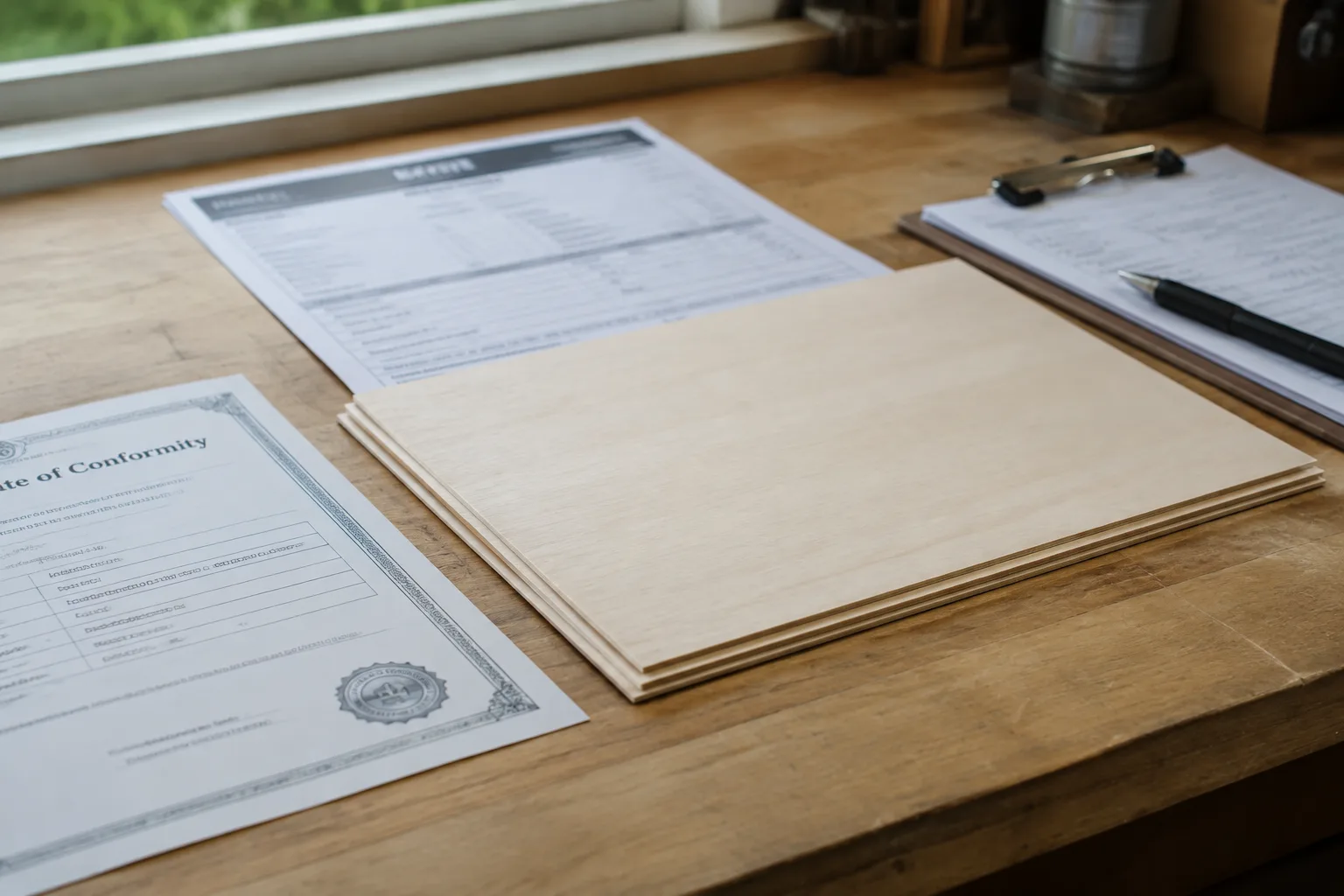
Verify a basswood supplier by asking for the FSC license or certificate number, then checking the Chain of Custody information tied to that number. Start there, before you rely on the claim in a listing or tell a customer the sheets are responsibly sourced. A real record gives you something solid to save, review, and explain.
Vague words such as “eco-friendly” and “sustainable” deserve suspicion when no certificate is attached. They may describe a genuine effort, but the words alone do not show who assessed the forest practices or tracked the material afterward. “Made from wood” is not the same claim as “sustainably sourced.” Those statements need different proof.
I looked up a supplier’s certificate number before placing an order, and the easy part was finding the record – the hard part was getting the supplier to give me the number in the first place. Keep asking politely and specifically. If the answer stays vague, choose a supplier that can provide documentation without making you play detective.
Once you have the record, keep it with your supplier notes and product details. That small habit makes future purchasing easier and keeps your customer-facing language honest. You can describe the material confidently without stretching the claim, and you will know exactly what to show when a careful buyer asks where the basswood came from.
Does Sustainable Sourcing Actually Help Etsy Sales?
Yes – an FSC claim with a checkable record can help an Etsy listing stand out and may support price-premium tolerance among buyers who care about sourcing. FSC is widely recognized, but a label alone does not sell your work. Proof does, especially when a buyer asks where your basswood came from.
Put certification claims front and center only when you can back them with a real certificate or license record. I added a short sourcing note to a listing only after I had the paperwork ready, and the customer questions got easier because I could answer them without hand-waving. Honest sourcing copy builds trust; vague green language invites follow-up you cannot answer.
Common Mistakes When Making Sustainability Claims
Good intentions are fine, but customers need proof.
- Using vague “eco-friendly” language: A green badge, leaf icon, or polished sentence means very little without a certificate or record behind the claim. Say what you can document, then stop there.
- Not knowing the supplier’s FSC number: If you cannot provide the supplier’s FSC license or certificate number, you cannot give buyers a practical way to check the sourcing claim.
- Confusing wood with responsible sourcing: “Made from wood” describes the material. “Sustainably sourced” describes its documented origin. Those are different claims, and buyers notice the gap.
- Ignoring Chain of Custody: Repackaging or reselling certified material under a house brand can affect what you may claim. Keep the traceability records tied to the material, not just the original carton.
I once wrote “sustainably sourced” because the material was wood, then rewrote the listing after realizing I could not document the source. That edit was mildly humbling, but far better than making a promise a customer could pull apart with one question.
Where to Buy FSC-Certified Basswood
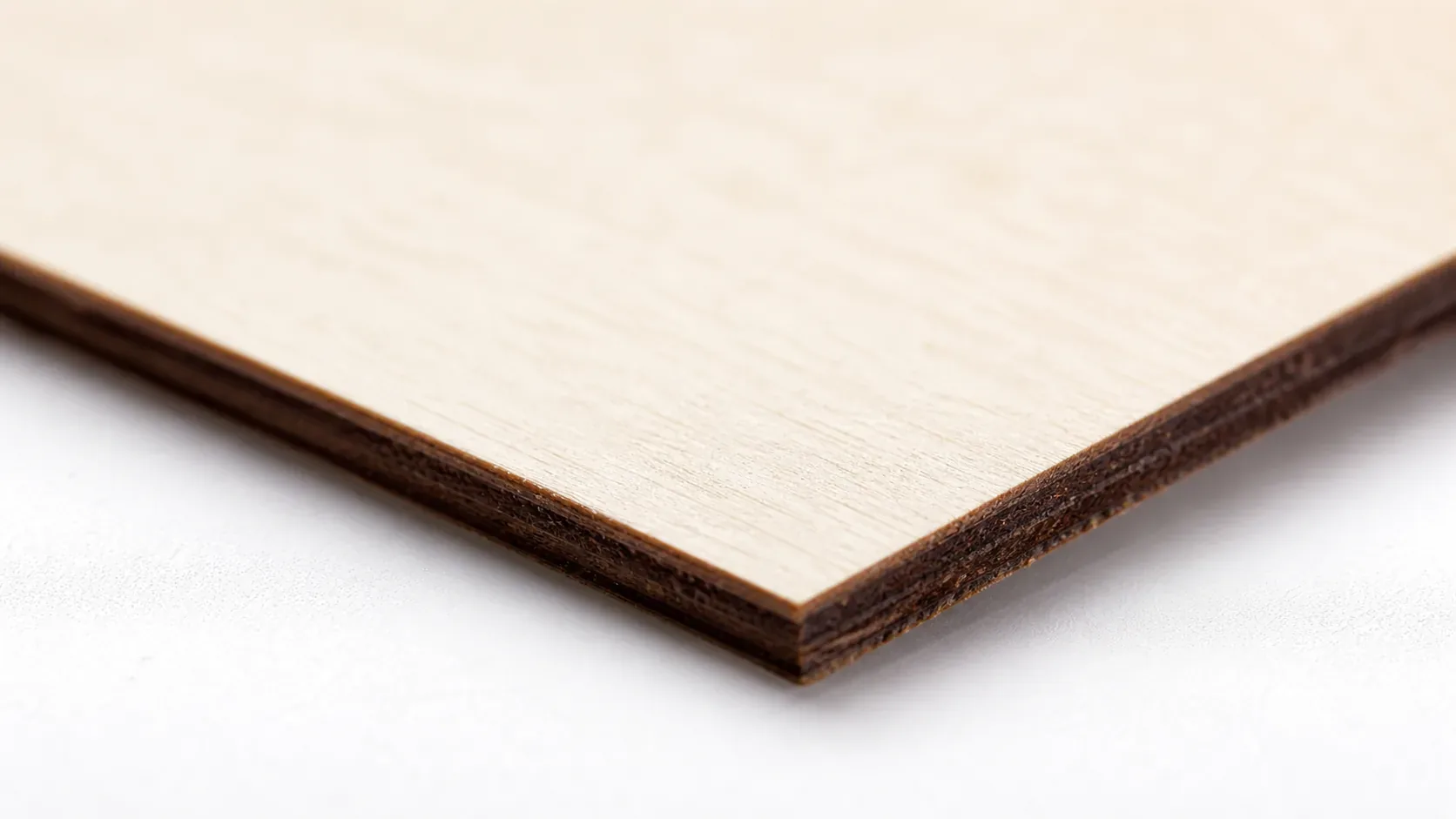
Crafteker sells A+ grade FSC-certified basswood that is void-free, 12×12 inch, and 3mm thick. The 12-pack costs $24.99 at $2.08/sheet, making it the most cost-effective option for repeat production. For more material-selection help, see our best basswood sheets guide.
I have bought bargain sheets that looked fine until the middle revealed a void, which is a rude surprise halfway through a customer order. Crafteker’s consistent stock gives you sourcing proof and material you can rely on for the work you are selling.
Ready to cut? Get the wood that works with these settings:
→ Buy Crafteker 12-Pack Basswood Sheets on Amazon – $24.99
Clip the 7% coupon on the listing page – buy 2 packs and save 20% automatically.
Also available: 5-pack ($15.97) · 3-pack ($12.99)
Frequently Asked Questions
What does FSC certification mean for basswood?
FSC certification has 2 parts: Forest Management certification checks responsible forest practices, and Chain of Custody certification tracks the material through ownership changes. The system is built around 10 core principles covering environmental impact, community relations, workers’ rights, monitoring, and assessment.
How can I verify a basswood supplier’s FSC certification?
Ask for the supplier’s FSC license or certificate number, then check the Chain of Custody information tied to it. A real claim has a record you can check; a vague eco-friendly statement does not.
Is basswood a sustainable choice for laser cutting?
Basswood can be a sensible choice because it is fast-growing, lightweight, and suited to efficient low-waste use. Still, species alone proves nothing – check the supplier’s 2-part FSC documentation before making a sustainability claim.
Does sustainable sourcing matter for Etsy sales?
It can help a listing stand out and build trust with buyers who care about sourcing, especially when you can show the 2-part FSC proof behind the claim. A checkable certificate carries more weight than a green badge or a polished sentence.
Where can I buy FSC-certified basswood sheets?
Crafteker sells A+ grade FSC-certified basswood on Amazon in a 3-pack for $12.99, 5-pack for $15.97, and 12-pack for $24.99. The 12-pack is the best value at $2.08/sheet, and you can clip the 7% coupon on the listing page.
About the author: Mike Dolan is a laser maker and wood materials specialist with 8+ years cutting basswood, birch, and MDF on diode and CO₂ machines. He tests every Crafteker basswood batch before listing.
A customer asked where my basswood came from, so I checked the supplier certificate number before I answered. Having the record ready made the reply simple, and she placed a second order a few days later.