
Borax or Baking Soda on Basswood: 4 Things to Know (2026)
Borax or baking soda before laser engraving wood may make some basswood or plywood engravings look darker or more even, but the result is not reliably proven and can vary widely. Treat the method as a scrap-test experiment, not a guaranteed fix for light engraving.
This post contains affiliate links. As an Amazon Associate I earn from qualifying purchases, at no extra cost to you. Learn more.
By Mike Dolan ·
Quick Answer: These 4 things to know about borax and baking soda pretreatment can help you compare borax, baking soda, untreated wood, and lower-risk engraving adjustments on scrap.
Why Makers Try Salts on Basswood Before Engraving
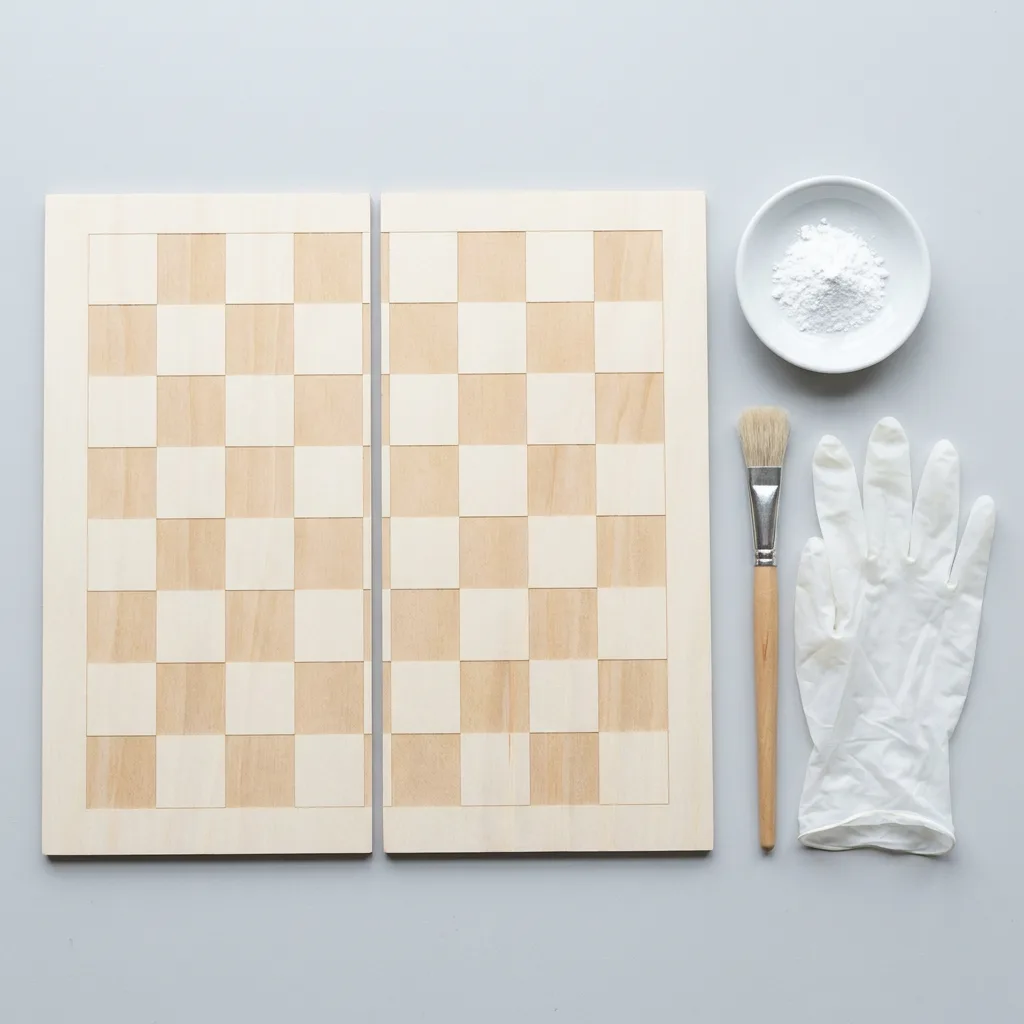
Maker reports suggest alkaline salt treatments may affect how some wood surfaces char, yet no solid independent controlled testing establishes a reliable result for basswood or plywood. Results may differ across grain, veneer, glue, moisture, laser type, and settings, including on 3mm 3-ply sheets.
4 Things to Know Before Trying Borax or Baking Soda on Basswood
Borax or baking soda may change the appearance of laser engraving on some basswood, but neither treatment offers a predictable result across every machine, wood sheet, or plywood batch. Treat both as scrap-test methods rather than dependable production shortcuts, especially on thin material.
- Darker-mark claims are anecdotal. Makers sometimes report darker or more uniform marks after a borax or baking soda pretreatment, but those results are not confirmed across different lasers, basswood batches, veneers, glue lines, grain patterns, or moisture levels. Baking soda is often described as the milder option, while borax is sometimes claimed to darken more strongly, yet that comparison remains uncertain.
- Salt residue can affect the surface. Dissolved materials may leave a white film, haze, or visible residue, particularly if powder does not fully dissolve or the coat goes on unevenly. Residue can distract from fine engraved detail, add cleanup work, and make a comparison sample look better or worse than it actually engraved.
- Water can move thin plywood. A water-based application can cause dimensional changes or warping in 3mm 3-ply plywood, especially where one face absorbs more moisture than the other. Even a sheet that looks flat before engraving may shift afterward, affecting focus, alignment, and consistency across a larger design.
- Borax needs more careful handling. Borax dust, spray mist, skin contact, and dried residue call for thoughtful handling and cleanup. Keep powders contained, avoid creating airborne particles, and do not treat the process as harmless simply because similar materials may appear in household-craft discussions.
A Cautious 5-Step Scrap-Test Routine
A controlled scrap test is the safest way to compare untreated basswood, baking soda, and borax before applying anything to production material. Keep the samples matched, work from one sheet, and treat the comparison as a recordkeeping exercise rather than a search for a universal formula.
- Cut matched scraps from one sheet. Use pieces from the same basswood or plywood sheet so grain, veneer character, and glue variation are less likely to obscure the result. Keep the scraps oriented consistently if the sheet has a noticeable grain direction or face variation.
- Label each comparison area clearly. Mark untreated, baking-soda-treated, and borax-treated areas, then treat only one half of each scrap. This gives you an untreated reference directly beside each treated section instead of relying on memory or comparing separate pieces with different wood character.
- Apply a light, even coat. Dissolve the chosen material, then use a wiped, brushed, or sprayed application while avoiding puddles and heavy wet spots. Keep the method consistent between samples, because application thickness and absorption can influence visible residue, flatness, and engraving response.
- Let every sample dry fully and remain flat. Place the scraps on a flat, supported surface while they dry. Check each piece for movement, raised grain, powdery residue, or uneven appearance before placing it in the laser, since these issues can complicate the engraving comparison.
- Engrave both halves with identical settings and compare. Evaluate darkness, uniformity, flatness, residue, cleanup effort, and engraving depth across the treated and untreated halves. Change only one variable at a time, and record the exact material batch, application method, and settings for every sample.
Safer Alternatives for Higher-Contrast Wood Engraving
Higher contrast often comes more reliably from controlled surface preparation and laser testing than from chemical pretreatment. Start with the lowest-risk adjustments first, then compare results on the exact basswood or plywood batch intended for the project before adding any coating or finish.
- Prepare the surface first. Begin with clean wood and light sanding where appropriate, removing dust before engraving. Surface condition can affect smoke staining and perceived contrast, while the engraving depth guide can help you separate a darker appearance from a deeper engraved result.
- Use masking for cleaner surrounding wood. Masking tape can limit smoke staining around the engraved area and simplify cleanup after the job. Review the masking tape guide before selecting a tape and testing removal on the wood face you plan to use.
- Run a controlled power-and-speed grid. A test card on the exact sheet can reveal which settings create the best balance of darkness, detail, and surface condition. The test card playbook and bidirectional engraving guide offer useful structure for recording those comparisons.
- Use a larger comparison layout where possible. A 12×12 inch basswood sheet can provide enough area for a controlled comparison grid with multiple grain areas, settings, and surface preparations. The free Crafteker laser file bundle can provide design material for organizing a repeatable sample layout.
- Consider purpose-made coatings carefully. Pre-engrave products may be an option after you check their product guidance and laser compatibility. Read the pre-engrave coatings guide, then test any coating on scrap because wood, laser type, and application quality can still change the result.
- Finish after engraving if the project calls for it. A suitable sealer or finish may improve handling and the final appearance, but it does not guarantee a darker mark or prevent later fading. The basswood finish guide can help frame post-engraving finishing choices.
4 Common Problems and Practical Fixes
Most problems with borax or baking soda pretreatment come from moisture, uneven absorption, residue, or inconsistent wood construction. Use each issue as a reason to return to matched scrap samples, document what changed, and avoid moving a process to production until the results remain acceptably repeatable.
- White haze or film. Cause: dried or undissolved salt residue may remain on the surface after treatment or engraving. Fix: apply less liquid in future tests, let the board dry fully, and clean the surface after engraving before judging the final contrast.
- Blotchy or uneven engraving. Cause: uneven absorption, grain variation, veneer density, glue lines, or changing heat response can alter the mark across a sheet. Fix: compare several areas from the same sheet and adjust one variable at a time rather than changing treatment and laser settings together.
- Warped thin sheet. Cause: excess or uneven moisture can move thin plywood before engraving. Fix: use a very light application, support the wood flat, and do not treat production material until scrap remains acceptably flat through preparation, drying, and engraving.
- Residue on the engraving or machine. Cause: powder, liquid, soot, or salt can transfer from a treated sheet to the work area or nearby surfaces. Fix: keep treated material dry, protect the work area, and clean accessible surfaces according to the machine guidance.
Safety and Cleanup for Borax and Baking Soda
Safe use starts with checking the current safety data sheet for the exact borax or baking soda product you plan to handle. Minimize dust and spray mist, use suitable ventilation and protective practices such as gloves, and avoid inhaling powder or aerosol during mixing, application, or cleanup.
Borax is a boron compound and deserves more cautious handling than casual household-craft advice may imply. Keep it away from children, pets, and food-contact surfaces, contain residue after testing, and avoid leaving treated scraps, loose powder, or application tools where they could be touched or mistaken for ordinary materials.
Dispose of residue according to the product label and local guidance, then wipe down the work area and accessible machine surfaces after use. Follow machine-maker cleaning instructions for the laser and surrounding equipment. If you sell treated or chemical-containing items, check marketplace and carrier rules yourself before shipping them.
Where to Get 3mm Basswood for Scrap Tests
Crafteker 3mm basswood sheets are 12×12 inch, laser-grade, void-free and pre-sanded: a pale, even surface for engraving and paint, and consistent sheets for repeat batches. At $24.99 for 12 sheets ($2.08/sheet), test pieces cost very little. Need designs? Grab the free Crafteker laser file bundle.
Ready to run a side-by-side scrap test?
Tools & Materials Used
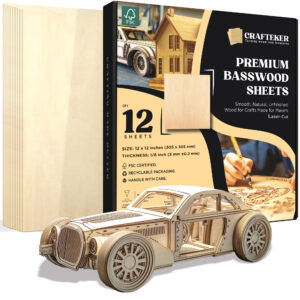
Laser-ready basswood for the projects in this guide.
A tested masking alternative for cleaner engraving.
Checking sheet flatness and thickness.
Air assist for cleaner engraving. Check compatibility with your machine.
Eye protection. Match the wavelength of your laser.
Frequently Asked Questions
Does baking soda make laser engraving on basswood darker?
Some makers report darker or more even-looking results, but there is no reliable independent evidence that it works consistently on all basswood, plywood, lasers, or settings.
Is borax better than baking soda for laser engraving plywood?
Some maker guides claim borax produces stronger darkening, but that comparison is uncertain. Test both against untreated scrap from the same plywood sheet before using either in production.
Can a water-based pretreatment warp 3mm plywood?
Yes, added moisture can warp or change the flatness of thin plywood, especially if absorption is uneven. Apply lightly only on scrap and keep the sample supported flat while it dries.
Why is there a white haze after engraving treated wood?
A white film may be dried salt residue or material that did not dissolve fully. Uneven application can also leave visible haze or blotches around the engraved area.
What should you try before using borax or baking soda?
Clean the wood, sand lightly if suitable, use masking, run a controlled power-and-speed test card, and compare pre-engrave coatings or finishing methods on scrap.
About the author: Mike Dolan is a laser maker and wood materials specialist with 8+ years cutting basswood, birch, and MDF on diode and CO₂ machines.
If you try any pre-treatment, treat only half of a scrap and engrave both halves with identical settings. Without a matched untreated half you cannot tell what the treatment actually did.