How to Prevent Charring When Laser Cutting Wood: 7 Proven Methods
The fastest way to prevent charring when laser cutting wood is to combine three things: dry wood (8–12% moisture), maximum air assist, and the fastest speed that still cuts in a single pass. Most charring problems come from just one of these being wrong. In this guide you’ll get all seven methods ranked by impact, plus the exact settings that work on basswood, birch, and MDF.
| Material | Engraving Contrast | Cut Ease | Smoke / Odor | Cost | Beginner Score |
|---|---|---|---|---|---|
| Basswood (3 mm) | ★★★★★ | Excellent — 1 pass CO₂, 2–3 diode | Low | $ | ★★★★★ |
| Baltic Birch Plywood | ★★★★ | Good — 2 passes needed | Medium | $$ | ★★★★ |
| MDF | ★★★ | Good — 1 pass | High (formaldehyde) | $ | ★★ |
| Cherry / Walnut | ★★★★★ | Moderate — 2–3 passes | Low | $$$ | ★★★ |
Why Does Wood Char When Laser Cutting?
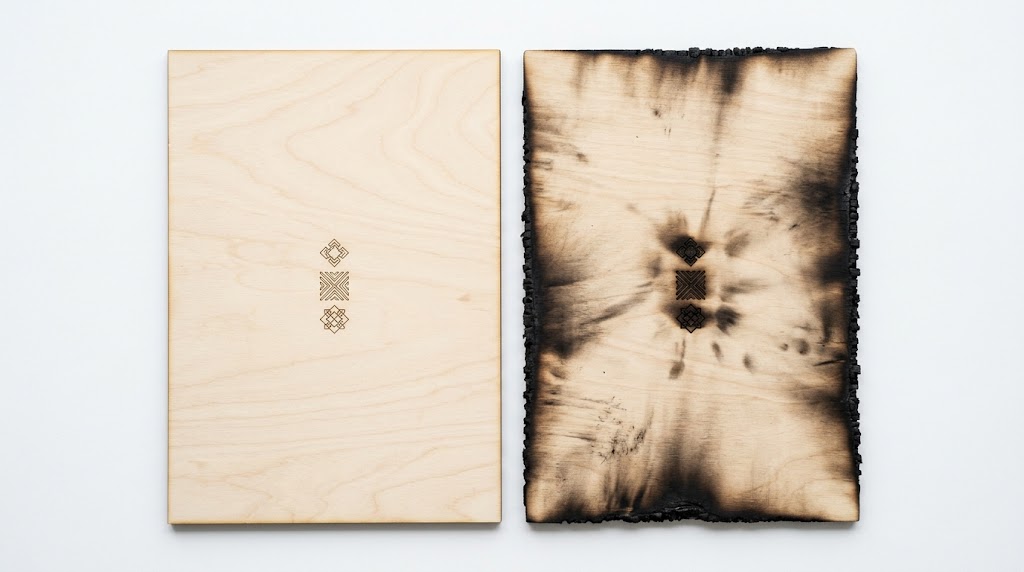
Charring happens when the laser transfers more heat to the wood than is needed to cut or engrave. The excess heat combusts the surrounding wood fibers, creating black carbon deposits on the surface and edges. Three variables drive this: how much heat is applied (power × dwell time), how quickly that heat is removed (air assist), and how susceptible the wood is to burning (moisture content and resin levels).
Understanding this makes the fixes obvious — you either reduce heat input, increase heat removal, or choose better material. Usually all three together produce the cleanest results.
What Are the 7 Most Effective Ways to Prevent Charring?
| # | Method | Impact | Cost | Works On |
|---|---|---|---|---|
| 1 | Use low-moisture wood (8–12%) | 🔴 Very High | Material choice | All machines |
| 2 | Max air assist | 🔴 Very High | Free (built-in) | All machines |
| 3 | Masking tape on surface | 🟠 High | ~$10/roll | Engraving especially |
| 4 | Faster speed, single pass | 🟠 High | Free | All machines |
| 5 | Precise laser focus | 🟡 Medium | Free | All machines |
| 6 | Honeycomb / pin bed | 🟡 Medium | $20–$60 | All machines |
| 7 | Clean lens and mirrors | 🟡 Medium | Free | CO₂ especially |
How Does Wood Moisture Content Affect Charring?
This is the single biggest variable most makers overlook. Wood with more than 15% moisture contains water that turns to steam under the laser — that steam carries heat sideways into the surrounding wood grain, scorching beyond the cut line. It also produces heavy smoke that re-deposits as char on the surface.
Wood below 8% moisture is bone-dry and ignites more easily — like tinder. The sweet spot for laser cutting is 8–12% moisture content. At this level the wood cuts cleanly with minimal smoke and virtually no surface char.
According to the USDA Forest Products Laboratory, most commercially sold craft wood ships at 15–20% moisture. Generic boards from hardware stores are rarely kiln-dried to laser-cutting spec. This is the primary reason generic wood chars and Crafteker basswood doesn’t — our sheets are calibrated to 8–12% and individually verified.

Does Air Assist Actually Stop Charring?
Yes — dramatically. Air assist is a stream of compressed air directed at the cut point. It does three things simultaneously:
- Blows smoke away before it can re-deposit on the wood surface as black residue
- Cools the wood around the cut zone, reducing heat spread into surrounding fibers
- Prevents flare-ups — small flames that appear during cutting and leave wide char halos
Always run air assist at maximum flow. If your machine has a variable pump (like many xTool and Atomstack models), set it to 100%. If you’re using a CO₂ machine without built-in air assist, a $30 aquarium pump with the right nozzle attachment makes a significant difference.
How Do You Use Masking Tape to Reduce Char?
Apply blue painter’s tape or clear transfer tape to the wood surface before cutting. The tape:
- Absorbs smoke deposits that would otherwise stain the wood surface
- Prevents engraved areas from darkening beyond the design
- Peels off cleanly after the job, taking the char with it
This works best for engraving. For through-cuts, tape on both sides gives the cleanest edges. Use low-tack tape — regular masking tape can leave adhesive residue if left on too long after cutting.
What Laser Speed Settings Reduce Charring?
The key principle: faster speed = less dwell time per point = less heat deposited = less char. But there’s a limit — if you go too fast, the laser doesn’t cut through and you’ll need a second pass, which doubles heat exposure.
The goal is to find the fastest speed that still cuts cleanly in one pass. These settings are tested on 3mm basswood:
| Machine | Cut Speed (mm/s) | Power | Passes | Char Level |
|---|---|---|---|---|
| xTool D1 Pro 20W | 4 | 100% | 1 | Minimal |
| xTool S1 40W | 8 | 100% | 1 | Minimal |
| Sculpfun S30 Pro 20W | 4 | 100% | 1 | Minimal |
| OMTech 60W CO₂ | 25 | 80% | 1 | Very low |
| Glowforge Pro | Full | — | 1 | Very low |
Use our free Laser Settings Calculator to get the exact recommended speed for your specific machine and material.
Which Wood Chars the Least?
Not all wood is equal when it comes to charring. Here’s how common laser cutting woods compare:
| Wood Type | Char Level | Why |
|---|---|---|
| Basswood (low moisture) | ⭐ Least | Low resin, uniform grain, no glue layers |
| Birch plywood | ⭐⭐ Low | Glue layers between plies add char at edges |
| Alder | ⭐⭐ Low | Low resin, similar to basswood |
| MDF | ⭐⭐⭐ Medium | Binders and resins in the board char heavily |
| Pine | ⭐⭐⭐⭐ High | High resin content causes heavy flame and char |
| Oak / Walnut | ⭐⭐⭐⭐ High | Dense grain traps heat, chars dark |
Basswood is the professional standard for laser cutting precisely because it produces the least char. The low resin content means smoke production is minimal and what little char forms wipes off easily.
Shop Low-Char Basswood Sheets
Crafteker basswood is precision-dried to 8–12% moisture and A+ grain-graded — the combination that makes it the lowest-charring wood you can buy for laser cutting. Available in three bundle sizes on Amazon Prime:
- 3-Pack — $12.99 ($4.33/sheet) → Buy on Amazon →
- 5-Pack — $15.97 ($3.19/sheet) → Buy on Amazon →
- 12-Pack — $24.99 ($2.08/sheet) → Buy on Amazon →
Ready to start cutting? Get the wood that works:
→ Buy Crafteker 12-Pack Basswood Sheets on Amazon – $24.99
Clip the 7% coupon on the listing page – buy 2 packs and save 20% automatically.
Also available: 5-pack ($15.97) · 3-pack ($12.99)
Frequently Asked Questions About Laser Cutting Charring
Why does my laser cut wood keep charring?
The most common causes: wood moisture above 15%, cutting speed too slow (high dwell time), air assist off or weak, and a dirty or out-of-focus lens. Fix moisture first — it’s the biggest single factor and often overlooked.
Does masking tape really reduce laser cut charring?
Yes. Blue painter’s tape or transfer tape applied before cutting absorbs smoke deposits on the surface. Peel it off after the job and the char comes with it, leaving a clean finish. Works especially well for engraving on basswood and birch.
What wood chars the least when laser cutting?
Basswood chars the least due to low resin content and no glue binders. Birch plywood is second. MDF, pine, and hardwoods like oak char significantly more. If charring is your primary concern, basswood at 8–12% moisture is the correct choice.
Does faster speed reduce charring?
Yes — find the fastest speed that cuts in one pass. A fast single pass deposits less total heat than multiple slow passes. For diode lasers on 3mm basswood: 4mm/s at 100% power (one pass) produces far less char than 2mm/s at 60% power (two passes).
How do I remove char after laser cutting?
Light surface char: rub with a dry soft-bristle toothbrush. Cut edge char: 220-grit sandpaper along the edge. Surface smoke staining: masking tape peeled off immediately after the job. Avoid water — it raises the wood grain and makes finishing harder.
Related Guides
- Basswood Laser Cutting Settings: The Complete 3mm Guide
- Basswood Sheets 1/8 Inch: Everything You Need to Know
- Best Basswood Sheets for Laser Cutting: Complete Buyer’s Guide
- Free Laser Settings Calculator — 50+ Machines
Bottom Line: How to Get Clean Cuts Every Time
Start with the right wood (8–12% moisture basswood), run air assist at maximum, and cut at the fastest single-pass speed your machine allows. Add masking tape for engraving jobs. These three steps eliminate 90% of charring problems — the other methods are fine-tuning for the last 10%.
Shop Crafteker Low-Char Basswood on Amazon →
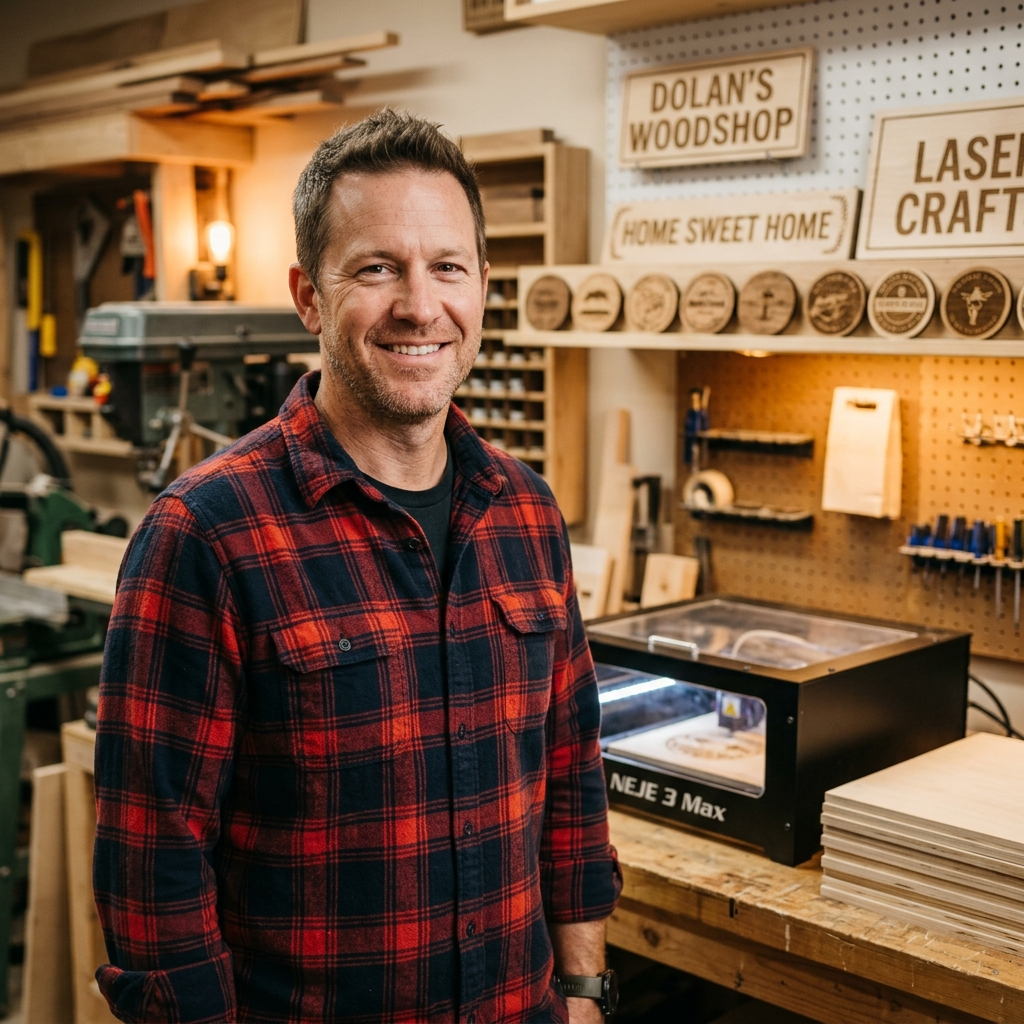
Written by Mike Dolan — laser cutting material specialist with 8 years testing wood, acrylic, and composite sheets on diode and CO₂ machines. Updated .
The masking tape tip is a game changer. I was getting terrible surface char on all my ornaments until I started taping before every job. Cuts maybe 2 minutes of prep but saves 20 minutes of cleanup. Also the moisture point is spot on – cheap Amazon basswood was my main problem all along.