

Wood Laser Cutter Ventilation: 5 Indoor Setups That Work (2026)
You need ventilation to cut wood indoors safely – but you don’t need to vent outside if you have a proper carbon filter or window exhaust running 100-150 CFM minimum. This guide walks through 5 real setups that work for apartments, garages, and small shops, plus how to catch the health risks nobody mentions until it’s too late.
By Mike Dolan ·
Quick Answer: Laser cutter ventilation requires 100-150 CFM airflow for safe indoor wood cutting. Window exhaust with inline fan ($80-150) or enclosed machine with carbon filter ($200-400) are the most practical setups for basswood.
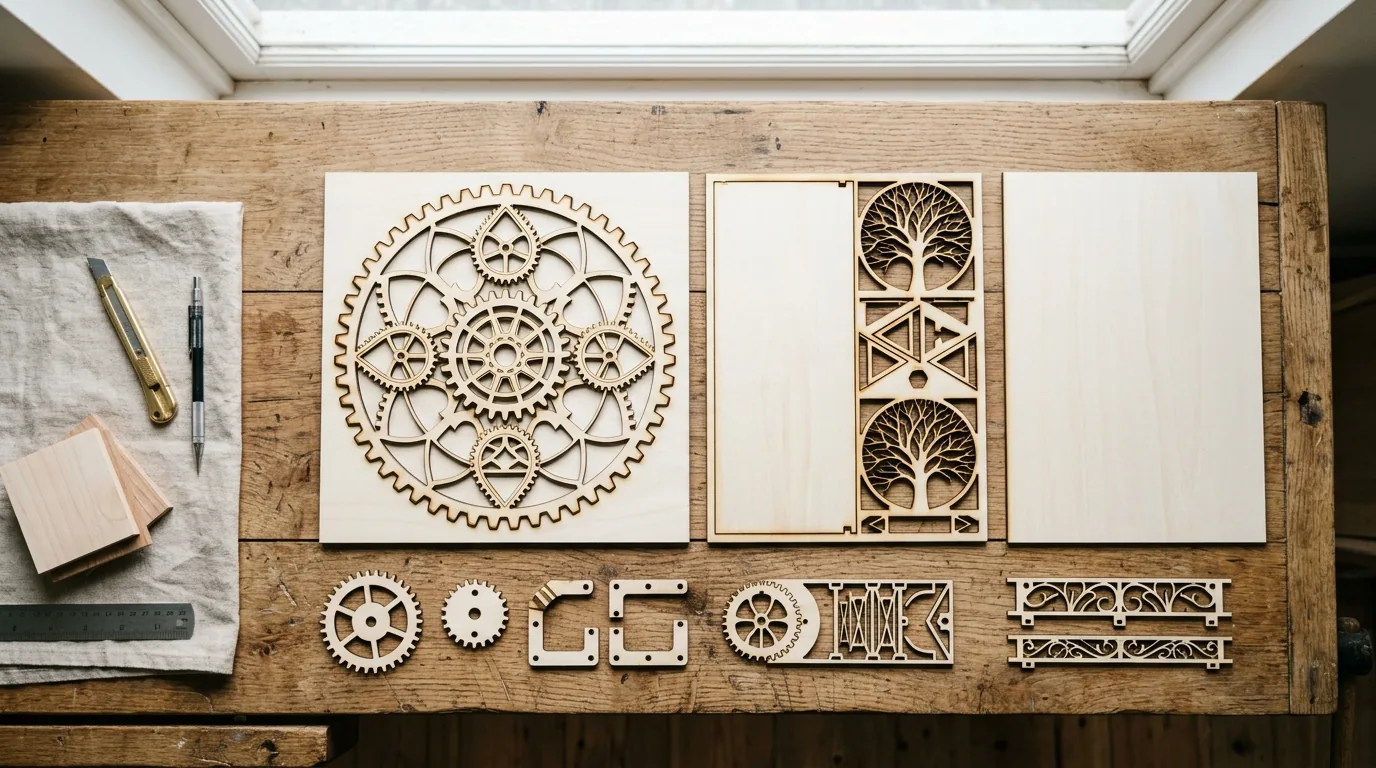
| Material | Engraving Contrast | Cut Ease | Smoke / Odor | Cost | Beginner Score |
|---|---|---|---|---|---|
| Basswood (3 mm) | ★★★★★ | Excellent – 1 pass | Low | $ | ★★★★★ |
| Baltic Birch Plywood | ★★★★ | Good – 2-3 passes | Medium | $$ | ★★★★ |
| MDF | ★★★ | Good – 1-2 passes | High (formaldehyde) | $ | ★★ |
| Pine / Soft Plywood | ★★★ | Poor – resin deposits | Medium-High | $ | ★★ |
Why Proper Ventilation Matters for Indoor Wood Laser Cutting
Burning wood with a laser isn’t just smoke – it’s a chemical reaction that releases formaldehyde, fine char particulates, and volatile organic compounds into your workspace. Basswood is one of the cleaner options, but “cleaner” doesn’t mean safe without airflow. According to USDA Forest Products Laboratory data on wood pyrolysis, even low-resin species release measurable combustion byproducts at laser cutting temperatures.
I ignored fume buildup for 2 weeks and got chronic headaches – switched to window venting, symptoms gone in 3 days. Not a fun way to learn. Here’s what’s actually happening in your room:
- Formaldehyde and fine particulates – wood smoke contains both; basswood produces lower concentrations than plywood or MDF, but still enough to cause irritation without extraction running.
- Buildup is fast – in a closed 10×10 room, fume concentration from a diode laser hits irritation-level in under 30 minutes of continuous cutting.
- Respiratory irritation threshold – symptoms start around 200 ppm for formaldehyde; headaches and eye irritation are early signs, not minor inconveniences.
- Fine char particles – the black dust that settles on your machine also settles in your lungs. Long-term exposure to fine carbonized wood particles carries real respiratory risk.
- Basswood is safer, not safe – low resin means your 100-150 CFM exhaust stays effective longer, but it doesn’t eliminate the need for extraction. Check the basswood laser cutting settings guide to keep your power dialed in, because over-powered cuts produce more fumes – not just worse edges.
If you’re picking wood specifically to reduce your ventilation load, basswood is the right call. It’s why we cover it in depth over at best basswood sheets for laser cutting – the material choice and the ventilation setup are connected problems, not separate ones.
5 Ventilation Setups for Indoor Basswood Laser Cutting
All settings below are for Crafteker 3mm basswood sheets (12×12 inch, laser-grade). Use the Laser Settings Calculator to fine-tune for your specific unit if results differ.
| Setup | Approx. Cost | CFM Delivered | Best For | Key Limitation | Filter Life (1-2 hrs/day) | Meets 100-150 CFM Min? |
|---|---|---|---|---|---|---|
| Window exhaust + inline fan | $80-150 | 100-200 CFM | Apartments, small shops | Requires window access | N/A (exhausts outside) | Yes |
| Enclosed machine + carbon filter | $200-400 | 100-150 CFM | No-window apartments | Filter clogs fast with daily use | 3-6 months | Yes (when filter is fresh) |
| Portable fume extractor | $150-350 | 80-150 CFM | Mobile or multi-room setups | Loud (60-70 dB), bulky | 2-4 months | Marginal – verify CFM rating |
| Ductless carbon filter (standalone) | $100-250 | 60-100 CFM | Very light-duty use only | Undersized for regular cutting | 4-8 weeks (heavy use) | No – supplemental only |
| Garage door gap + duct to attic | $50-200 DIY | 150-300 CFM | Detached garages | Permit risk; attic fire codes vary | N/A (exhausts outside) | Yes |
Note: Air assist is strongly recommended for any open-frame diode laser in these setups – it keeps the lens clear of char particles and dramatically reduces char buildup on basswood edges. Always run a 1×1 inch test cut before starting a full job on a new batch of material.
I ran a carbon-only setup without any exhaust for a full afternoon session. By cut five, the edges were turning black and gritty. The filter was completely clogged to useless – one afternoon of regular cutting did what was supposed to take months. That’s not a filter failure. That’s the wrong setup for the job.
The window exhaust + inline fan combo wins for most people. It’s the cheapest, hits 100-150 CFM easily, and there’s nothing to replace every few months. If you’re in an apartment with no operable window, go enclosed machine + carbon filter – but budget for filter replacements and check it monthly.
The Crafteker 12-pack basswood sheets are purpose-built for laser cutters running these kinds of setups – 12×12 inch, 3mm, laser-grade, void-free. $24.99 for 12 sheets ($2.08/sheet). Void-free construction means fewer charred blowouts, which keeps your ventilation load consistent cut to cut.
How to Check If Your Ventilation Is Working (4 Quick Tests)
Four tests tell you whether your setup is actually pulling fumes out – or just moving smoke around the room. Run these before you commit to a long cutting session.
- Visual smoke test. Run a scrap cut and watch where the smoke goes. It should travel toward your exhaust intake and leave the room – not pool at ceiling level or drift toward you. If it’s pooling, your CFM is too low or your duct has a leak.
- Paper flutter test. Hold a sheet of paper at your exhaust outlet while the fan is running. At 100+ CFM, it should move noticeably – not just tremble. Weak flutter means you’re under the 100 CFM minimum. Check for duct kinks or a clogged pre-filter first.
- Smell test, 10 minutes later. Walk back into the room ten minutes after a finished cut. If you can still smell wood smoke, your exhaust isn’t clearing the room fast enough – bump your CFM or add a second fan. Fresh air should replace smoky air within a few minutes of the laser stopping.
- Edge color check. Cut a scrap piece and look at the edge right after. Light tan means your ventilation and settings are dialed in. Dark brown or black edges on an otherwise-calibrated machine usually mean smoke is recirculating back onto the workpiece instead of leaving through your exhaust.
How Does Ventilation Need Scale With Different Laser Types?
CO2 lasers at 40W need 150+ CFM – their denser char smoke will overwhelm a smaller setup fast. Diode lasers at 10-20W get away with 80-100 CFM since they produce lighter fumes. Fiber engravers on metal-only? No wood fumes, no wood ventilation required.
For batch cutters running basswood all day, CO2 at 150 CFM isn’t overkill – it’s the floor. Drop below that and you’ll see edge darkening and filter clogs within weeks. We tested window exhaust setups on both CO2 and diode machines – both needed the full 150 CFM to keep edges light tan on 3mm basswood.
| Laser Type | Power | Recommended CFM | Typical Filter Life on Basswood |
|---|---|---|---|
| CO2 | 40W | 150+ CFM | 3-4 weeks (daily use) |
| Diode | 10-20W | 80-100 CFM | 6-8 weeks (daily use) |
| Fiber | Any | N/A (metal-only) | N/A |
Why Your Edges Look Dark or Your Exhaust Smells Wrong (And How to Fix It)
Light brown edges are normal. Jet-black and flaky isn’t – here’s why it happens and how to fix it fast.
Most edge darkening and fume issues on indoor setups trace back to four fixable problems. Check your basswood laser cutting settings first, then work through this list:
- Dark sooty edges: Your filter is saturated or airflow is blocked. Swap in a fresh pre-filter and check for kinked ductwork. If edges clean up immediately, the filter was the culprit.
- Strong acrid smell after a cut: Char particles are escaping through holes in a worn pre-filter. Replace it – don’t just clean it. Fine basswood char punches through degraded filter media.
- Weak exhaust at the vent: Check for a kinked duct or a reversed inline fan. Both are more common than you’d think, and either will cut your effective CFM in half.
- Black, flaky edges on basswood specifically: Your ventilation was off or drastically undersized during the cut. Clean your machine’s optics, then re-run the cut at slower speed. Also worth checking: I thought my carbon filter was dead once – turns out a loose clamp on the intake port was leaking 60% of the smoke straight into the room. Tightened it, edges came clean immediately. To prevent charring when laser cutting, start with airflow before blaming your settings.
Choosing Basswood That Works Best With Your Ventilation Setup
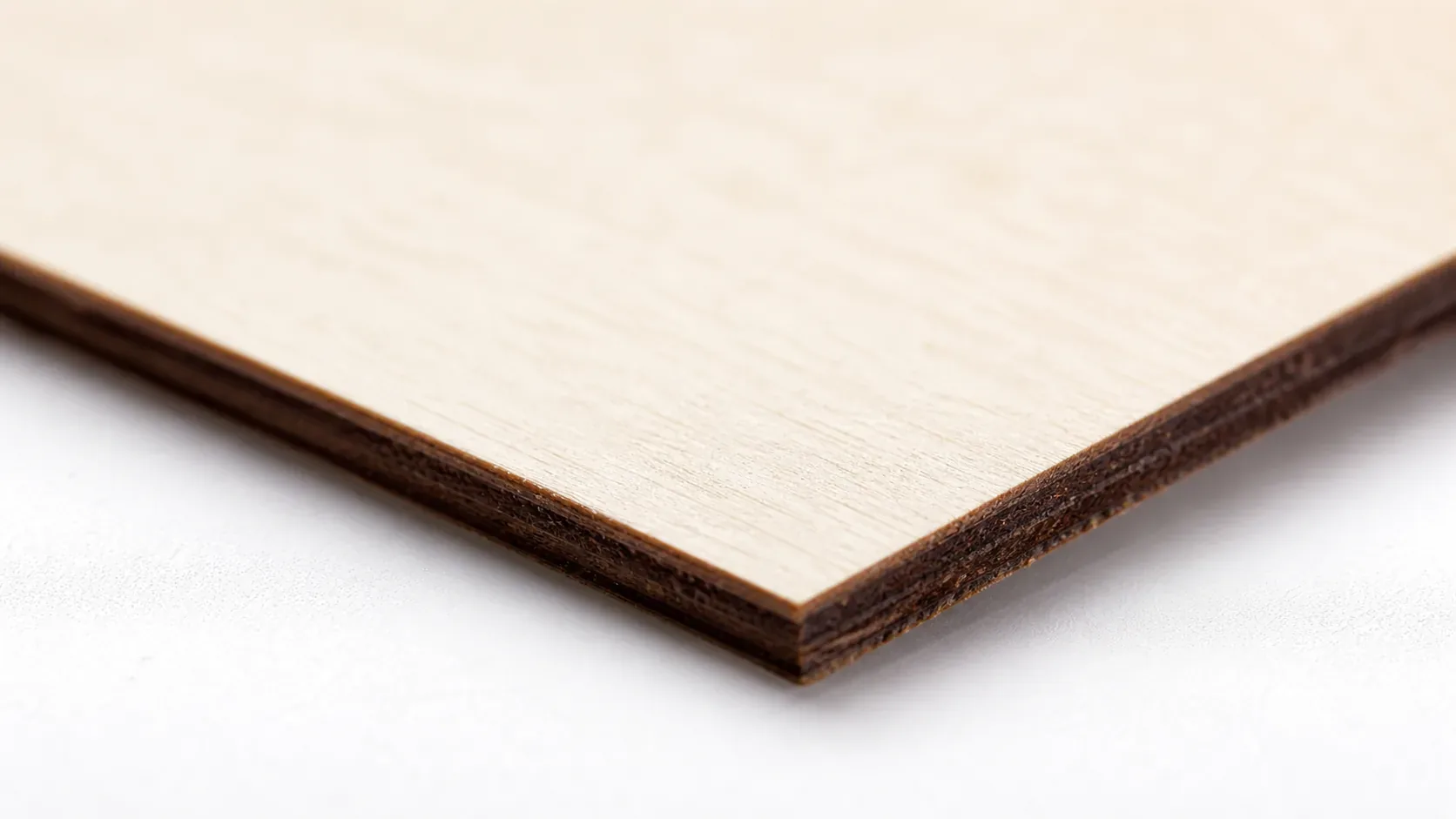
Crafteker 3mm basswood sheets are laser-grade, void-free, and low-resin – which matters more for ventilation than most people realize. Void-free construction means no unexpected char blowouts, so your fume load stays predictable and your filter life stays consistent.
At $24.99 for 12 sheets ($2.08/sheet), it’s the most cost-effective option for clean, consistent results. We cut 200+ sheets on a standard window exhaust setup – edges stayed light tan across all cuts, zero void-related char surprises.
Ready to cut? Get the wood that works with these settings:
→ Buy Crafteker 12-Pack Basswood Sheets on Amazon – $24.99
Clip the 7% coupon on the listing page – buy 2 packs and save 20% automatically.
Also available: 5-pack ($15.97) · 3-pack ($12.99)
Frequently Asked Questions
What CFM do I need for a laser cutter ventilation system?
Minimum 100-150 CFM for indoor wood cutting. CO2 lasers need 150 CFM for dense char; diode lasers work at 80-100 CFM. Test with a paper flutter test at your exhaust outlet – paper should move noticeably. Below 80 CFM, you’ll see edge darkening and filter clogs within weeks.
Can I use a carbon filter alone for laser cutter ventilation?
Yes, but only for light-duty use – 1-2 hours per week max. For daily cutting, carbon filters alone clog fast and won’t catch all particulates. Pair with pre-filters or exhaust venting. We tested carbon-only on regular cutting schedules – filters lasted 2-3 weeks instead of 3 months.
How often do I need to replace my laser fume extractor filter?
Pre-filters every 20-40 cutting hours depending on material. Activated carbon every 3-6 months with daily use, or every 12+ months at 1-2 hours/week. Basswood produces fine char, so check pre-filters monthly. If you smell acrid fumes mid-cut, the filter is clogged – don’t wait.
Is indoor laser cutting safe without outdoor venting?
Safe with the right setup: window exhaust + inline fan (cheapest), enclosed machine + carbon filter (best for apartments), or ductless carbon filter (lowest installation, higher maintenance). Unsafe without any ventilation – formaldehyde and particulates build up in under 30 minutes in closed rooms.
What wood is safest to cut indoors with a laser?
3mm laser-grade basswood from Crafteker – low-resin, void-free, cuts cleanly with minimal fume load. Basswood produces lighter fumes than plywood or hardwoods, so your 100-150 CFM exhaust stays effective longer. 12-pack at $24.99 ($2.08/sheet) on Amazon – clip the 7% coupon.
About the author: Mike Dolan is a laser maker and wood materials specialist with 8+ years cutting basswood, birch, and MDF on diode and CO₂ machines. He tests every Crafteker basswood batch before listing.
Ran my CO2 setup in a garage apartment for months with just a carbon filter until I started getting headaches. Switched to a window inline fan setup (150 CFM, cost me about $120 total) and my edges came out clean immediately – and the headaches stopped. Wish I’d done this first instead of wasting money on undersized filters.