

7-Point Laser Cutting Plywood Safety Checklist (2026)
Run this 7-point safety check before every basswood or plywood laser job: glasses, extraction, optics, air assist, bed, material, and fire readiness. You’ll get a practical pre-run routine that catches the mistakes most likely to foul a cut, stink up the room, or start a flare-up.
By Mike Dolan ·
Quick Answer: laser cutting plywood safety checklist: run 7 checks before each job, including wavelength-rated glasses, active exhaust, a clean lens, air assist, safe material, and fire readiness.
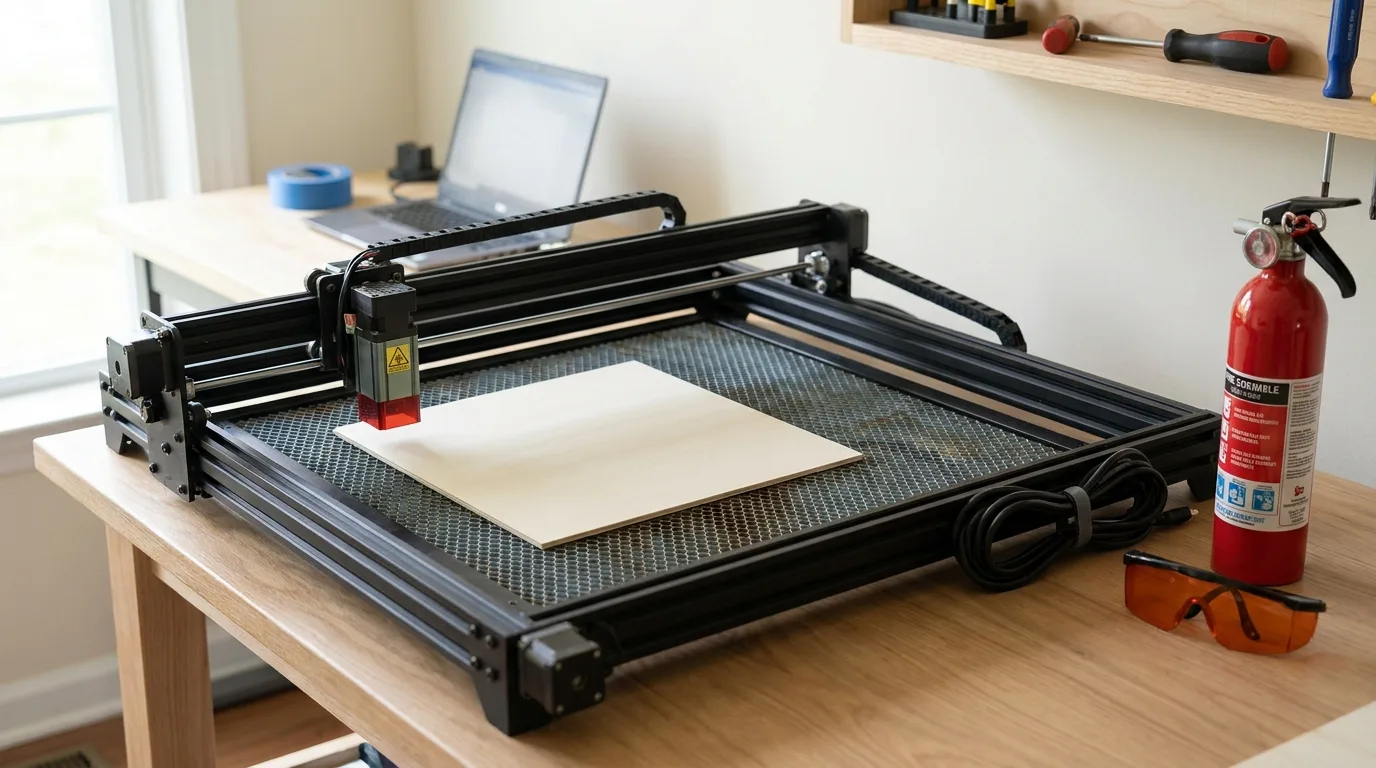
| Material | Engraving Contrast | Cut Ease | Smoke / Odor | Cost | Beginner Score |
|---|---|---|---|---|---|
| Basswood (3 mm) | ★★★★★ | Excellent – 1 pass | Low | $ | ★★★★★ |
| Baltic Birch Plywood | ★★★★ | Good – 2-3 passes | Medium | $$ | ★★★★ |
| MDF | ★★★ | Good – 1-2 passes | High (formaldehyde) | $ | ★★ |
| Pine / Soft Plywood | ★★★ | Poor – resin deposits | Medium-High | $ | ★★ |
Why a Pre-Run Safety Checklist Matters for Basswood Laser Cutting
Basswood is forgiving to laser, but a simple job can still go sideways if you skip a quick pre-run check. Fires, rough cuts, smoky rooms, and damaged optics usually start with a missed setup step, not the sheet itself. Check the workspace before every run, even for a small file.
Its pale face and even density make flaws easy to spot, while its low-resin character brings fewer char-heavy surprises than resin-rich woods. According to USDA Forest Products Laboratory data, basswood is a sensible low-resin choice. That does not make it fume-free: use known laser-grade material and run active ventilation every time.
I skipped my own checklist once because a job looked simple – the lens was filthy from the last project, and I spent far too long fighting a cut that should have been easy. Start with the best basswood sheets for laser cutting, then learn how to prevent charring when laser cutting.
- Low resin – fewer surprise resin-pocket flare-ups to plan around.
- Consistent density – predictable behavior job after job, so the same checklist works every time.
- Minimal internal voids – fewer hidden gaps that cause focus or flare-up surprises.
- Light, workable surface – easy to visually inspect before and during a job.
- No toxic fumes on its own – still run active ventilation, since plywood glue, not the basswood face, is the real fume source.
Eye Protection and Fume Extraction: The Non-Negotiables
A correctly rated pair of glasses and moving air solve a lot before the laser even starts. Diode lasers run around ~450nm, while CO2 lasers run around ~10.6 micrometers, so your glasses must be rated for your machine’s specific wavelength.
Generic sunglasses are not laser safety glasses. Neither are glasses made for a different laser type. Put on the right pair before opening the lid, aligning a job, or watching a cut through an open-frame machine. Reflected beam energy does not care how quick the project looks.
Switch on your exhaust or fume extraction, then confirm suction by feel or sound before loading the job. Plywood glues can release formaldehyde and other irritants; read our full laser ventilation guide for the indoor setup details. I ran a job with the exhaust fan unplugged once and did not notice until the room smelled like a bad decision.
The Pre-Run Checklist: Step-by-Step
Run these checks in order before every job, and you will catch the setup mistakes that turn good basswood into smoke, soot, or a half-finished cut. It takes less effort than cleaning up a preventable mess afterward.
- Put on laser safety glasses rated for your machine’s exact wavelength. Match the rating to your laser type, not the color of the lenses or a vague “laser safe” label. Keep them on for setup as well as the run.
- Turn on exhaust or fume extraction and confirm suction by feel or sound. Do this before loading the job, not after the first smoky pass. Air that is not moving outside is just giving fumes somewhere to linger.
- Check the lens. Clean it if more than 3-5 hours of cutting have passed since the last cleaning, because even a thin film of residue can cause 10-20% power loss. I let a filthy lens turn a simple job into a fight, and the rough cuts were the clue I should have checked it first.
- Confirm air assist is running. In Crafteker’s tested xTool D1 Pro 20W profile, boosting air assist to 20-30 PSI cut visible soot by roughly ~80%. Check your own machine’s guidance, then see how air flow helps prevent charring when laser cutting.
- Clear debris and offcuts from the bed. Then make sure the sheet lies flat instead of warped or bowed. A raised corner can catch heat, throw off focus, and turn an innocent scrap into the main event.
- Confirm the material is known and laser-safe. Reject foil-backed stock, PVC, and unknown coatings that can release toxic fumes or damage the machine. Known laser-grade basswood removes one more nasty surprise from the job.
- Keep a fire extinguisher or water within reach, then stay with the machine for the entire job. Watch the material, not just the progress bar. If a flare-up starts, you want to catch it while it is still small.
What Goes Wrong When You Skip a Step
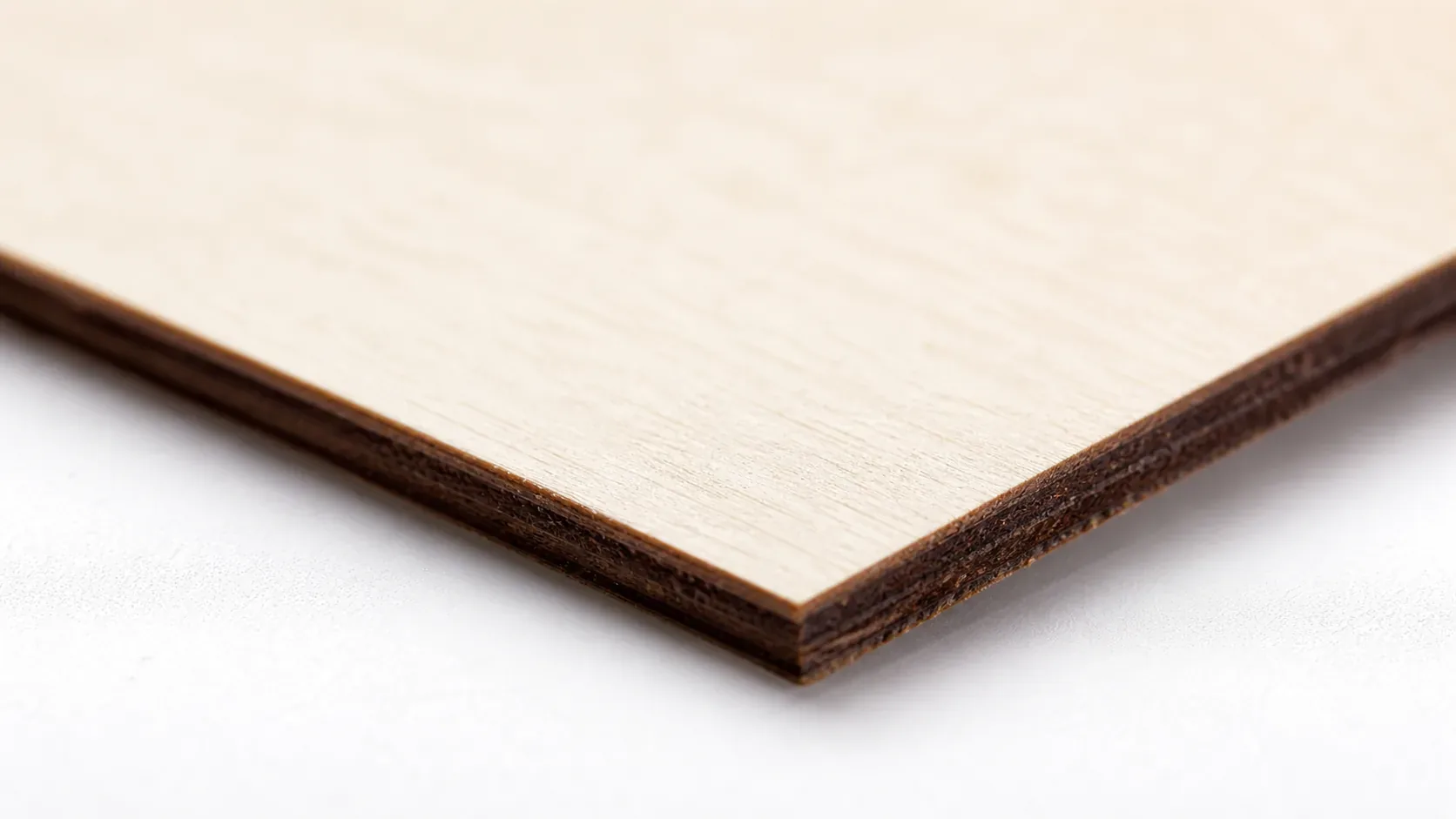
Most laser problems give you a chance to stop them before they become expensive. Skip wavelength-rated eye protection, and reflected or scattered beam energy can cause permanent eye damage in a blink. Skip active ventilation, and you may breathe formaldehyde and VOC fumes released by plywood glue. Check both before material reaches the bed.
A dirty lens spreads energy, leaving rough, incomplete cuts and wasting good sheets; unknown foil-backed stock or PVC can release toxic chlorine gas or damage the machine. Leaving a laser unattended turns a small flare-up into a real fire. I stepped away to answer the door once and came back to a smoking offcut that needed attention immediately. Read the full basswood laser fire-safety guide rather than guessing through a flame-up.
Common Mistakes That Turn a Quick Job Into a Problem
Quick jobs still deserve the same short check because the laser cannot tell you’re in a hurry. Skipping it is how a simple tag or ornament becomes smoke, wasted stock, or a stopped job. Most trouble starts before you press start, not because the design was complicated.
- Skipping the exhaust check: A short job still produces fumes. Turn on extraction and confirm suction by feel or sound before loading the sheet, even if you only plan to run one small piece.
- Loading unknown material: Do not gamble on unmarked plywood, foil-backed stock, or coatings you cannot identify. Known laser-safe material removes a nasty variable from the job and protects your workspace.
- Ignoring a dirty lens: Waiting until cut quality visibly suffers means you have already wasted material. Residue blocks the beam and turns clean edges into rough, incomplete cuts.
- Walking away briefly: I treated a small name-tag run like a no-risk job, skipped the bed check, and an old offcut smoked before the first piece was finished. Stay put and keep the bed clear.
Where to Buy Basswood for Safer, More Predictable Laser Cutting
Buy known, consistent laser-grade basswood to remove the unknown-material variable from your checklist. Crafteker’s void-free, low-resin 3mm, 12×12 inch sheets give you predictable cutting and cleaner material selection. At $24.99 for 12 sheets ($2.08/sheet), they are the most cost-effective option and ship FBA through Amazon.
Clip the 7% coupon on the listing page before checkout. I once loaded a bargain plywood panel with a hidden void, and the surprise burn mark was enough to send me back to consistent laser-grade sheets. See our best basswood sheets guide for more material pointers.
Ready to cut? Get the wood that works with these settings:
→ Buy Crafteker 12-Pack Basswood Sheets on Amazon – $24.99
Clip the 7% coupon on the listing page – buy 2 packs and save 20% automatically.
Also available: 5-pack ($15.97) · 3-pack ($12.99)
Frequently Asked Questions
What safety glasses do I need for laser cutting basswood?
Use glasses rated for your machine’s exact wavelength: diode lasers are around 450nm, while CO2 lasers are around 10.6 micrometers. Never use generic sunglasses or glasses rated for a different laser type. Check the rating label before you load basswood, and keep the glasses on whenever beam exposure is possible, including setup and alignment. Store them where you cannot forget them.
Do I need ventilation to laser cut basswood indoors?
Yes. Active exhaust reduces exposure to formaldehyde and VOC fumes from plywood glue, so turn it on and confirm suction before starting. Basswood itself still produces smoke and fine particles, and a closed room can get unpleasant fast. If you cannot feel or hear airflow at the machine, stop and find the blockage before firing. Loose hoses can dump fumes back indoors. Check it.
How often should I clean my laser lens?
Clean the lens every 3-5 hours of cutting. A thin film of residue can cause 10-20% power loss and leave you with rough, incomplete cuts. I let a dirty lens turn a simple basswood job into a fight, wasting good stock before I checked it. Use lens-safe cleaning materials, then inspect the optic under good light. Residue is not harmless dust. It steals power quietly.
What should always be within reach when running a laser cutter?
Keep a fire extinguisher or water within reach, plus your own attention. Never leave a running laser unattended. Clear offcuts and debris before you begin, because those small scraps are often what smolder first. Watch through the full job, ready to pause it at the first flare-up, unexpected smoke, or shifting sheet. A nearby response beats a late rescue. Do not trust luck.
Where can I buy basswood sheets for laser cutting?
Crafteker basswood ships FBA on Amazon in a 3-pack for $12.99, a 5-pack for $15.97, or a 12-pack for $24.99. The 12-pack is the best value at $2.08/sheet, and you can clip the 7% coupon on the listing page. Consistent, known laser-grade basswood removes the mystery-material problem before it reaches your bed – a better starting point than bargain panels with hidden voids, coatings, or glue surprises.
About the author: Mike Dolan is a laser maker and wood materials specialist with 8+ years cutting basswood, birch, and MDF on diode and CO₂ machines. He tests every Crafteker basswood batch before listing.
This checklist consolidates general laser safety practices, not machine-specific settings. The 20-30 PSI air-assist figure comes from our tested xTool D1 Pro 20W profile specifically, so check your own machine manual for its exact specs.